Description
What is Sago? Sago is a variation of starch that was extracted from certain tropical palms. Sago tree or Metroxylon Sagu. Is a plant native to New Guinea islands, Maluku Island, as well as the certain island of the Pacific? White Sabudana / Sago itself is starch, or sometimes white powder extracted from pith, spongy core tissue of Sago tree. There are many species of Sago tree, but the most popular one is Metroxylon Sagu.
Sago starch itself is a very versatile ingredient, can be used in many variations of dishes, and be used as primary food or source of calories in some regions, especially in Eastern Indonesia, Maluku islands, New Guinea, and some parts of the Pacific Islands. Sago powder itself is white powdery, and if cooked, becomes a glutinous gel. It contains a lot of calories and antioxidants.
What Are Sabudana / Sago?
White sabudana / sago are a type of starch powder that has been extracted from softcore tissue from the trunks of sago palm tree stems. It starch contains complex carbohydrates, natural glucose molecules, a lot of natural fiber, as well as natural fats. It contains a lot of glucose and calorie, making sago can be used as primary food and energy source.
There are variations of sago trees, like Sago Cycad (Cycas Revoluta), Metroxylon Amicarum, and Metroxylon Sagu. However, the most common one is the Sagu palm tree or Metroxylon Sagu. This sago palm tree can be found in Malaysia, Indonesia, the Philippines, Papua New Guinea, and also some pacific islands, like Solomon Island, and Christmas Island.
White sago palm can grow quickly, is resistant to bad weather and pests, and is also tolerant to many types of soils, this is why sago is abundant even in the remote jungle of New Guinea. Single sago palm trunks can contain at least 100 to 800 kg or pith and then be extracted to become starchy powder.
The Use Of Sago In Culinary
Sago is the main dietary staple, and source of carbohydrates in many Eastern parts of Indonesia, Papua New Guinea, and some parts of the Philippines. It is mostly be cooked by boiling its starch or consumed as sago pearl.
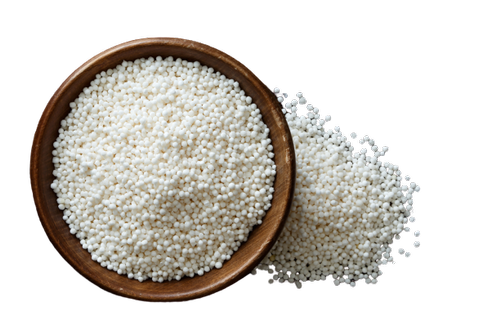
To create sago pearl, sago flour is mixed with water and then knead into the dough, After that heating it by boiling or steaming it to create sago pearl, delicious glutenous snacks.
Sago flour is also naturally gluten-free because it is different from wheat. It is a very good substitute for people who are allergic to gluten, and a good choice for flour for baking, and cooking.
Sago Nutritional Value
Since sago is a type of starch, it contains a high amount of carbohydrates, as well as natural glucose, with some amounts of protein and fats. However, it lacks some vitamins and minerals, just like many carbohydrate sources.
- Calories: 332kkal
- Protein: >1 g
- Fat: >1 g
- Carbs: 83 g
- Fiber: >1g
- Zinc: 11% per daily intake
Sago also has many health benefits, and it is a potentially good substitute for people who are allergic to gluten. It contains high antioxidants that could help to repel cancer, it is a good source of resistant starch, as well as good for reducing heart disease risk. To get the best, and fresh White sabudana / Sago visit us on our website for inquiry and purchase.