Description
Gambier is a dried sap made from the extract of the plant’s squeezed leaves and twigs, Uncaria gambier Roxb. Gambier is often used by locals in Indonesia for “Menyirih” or betel nut chewing. It is produced in Malaysia and Indonesia, where it was once a popular trade commodity in the late 1800s.
That is why Indonesia becomes one of the biggest countries that produce and export gambier all around the world. Indonesia exports 68% gambier to India and uses it in a betel nut mixture. Gambier manufacture is centered in West Sumatra, and many gambiers are produced by small home industries using traditional techniques and employing more human labor.
Gambier is a tanning agent, brown color, culinary additive, and herbal medicine. We can also find Catechins in gambier which is an antioxidant-rich natural element. If you want to know more about gambier, read this explanation below carefully.
Gambier Process Making
- Plantation
Gambier seedlings could be grown from seeds, with the parent plant being 10 up to 13 years old and having a clump height of 300 cm. Plants that are excellent for seedlings have branches that are 300 up to 500 cm long and pods that are brownish-black in color.
After obtaining the gambier fruit that meets the above specifications, the fruit must be dried until the pods split and the seeds will come out in their own manner. Prepare the manure-mixed field as a nursery, and let the seeds there until 2 or 3 sprouts appear, then transplant them to the real planting place.
- Harvest
After two years, the leaves of the gambier plant are plucked using a special knife by Kampo craftsmen, and then transported to the pressing house and used a Kambuik which is made of rattan for further processing.
- The Process of Boiling
The newly selected leaves and stalks are placed in a Kambuik which is made of rattan that is covered with knits or coarse mesh and crushed by stomping before being placed in a large stew kettle Kancah, which is first filled with water and heated. After boiling, remove it from the Kancah and tie it with a rope before putting it into the press machine.
- The Process of Compression
The leaves that have previously been placed in the press are squeezed with a jack to remove the sap and placed in a container beneath the press. Moreover, these leaves can be cooked and pressed until they are completely dry.
- Precipitation
The juice is immediately put to a long nail called Piaku or a wooden container after pressing, and the gambier sap is taken the next day and ready to be drained/filtered.
- Draining Process
Draining is accomplished by placing the sap onto a Tapie cloth, gunny sack, or calico fabric that is firmly tied so that the water drains into wooden blocks for printing the next day.
- Molding and Drying
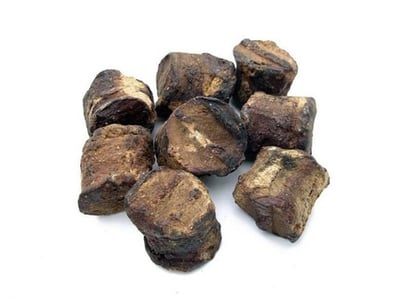
Molding is accomplished with a specific instrument in the shape of a little bamboo tube that is set on top of a Selayan, bamboo placemat and dried directly in the sunlight. Gambier will dry to a blackish crimson color with a subtle sheen and be ready to sell.